
Vietnamese cuisine is renowned for its diverse ingredients, sophisticated preparation methods, and harmonious flavors. From simple family meals to regional specialties, each Vietnamese dish carries its own story about culture and people. Therefore, choosing aVietnamese restaurant It’s not just about finding a place to eat delicious food, but also an opportunity to discover the unique characteristics of traditional Vietnamese cuisine.
Why are Vietnamese restaurants always so attractive to diners?
There are many reasons why Vietnamese food is becoming increasingly popular, especially with diners who want to learn about local culture through cuisine.
First of all,Vietnamese cuisine has a balance of flavors.The salty taste of fish sauce, the sourness of lemon or vinegar, the spiciness of chili peppers, and the natural sweetness from vegetables and meat/fish are combined harmoniously. The use of various aromatic herbs also helps to make the dish lighter and easier to enjoy.
In addition, Vietnamese cuisine is extremely diverse. Each region has its own way of using ingredients and spices. A meal atVietnamese restaurantTherefore, it can give diners a multi-layered flavor experience.No need to travel to many different locations.
For tourists, especially international visitors, enjoying Vietnamese food is also a simple way to learn more about Vietnamese life.
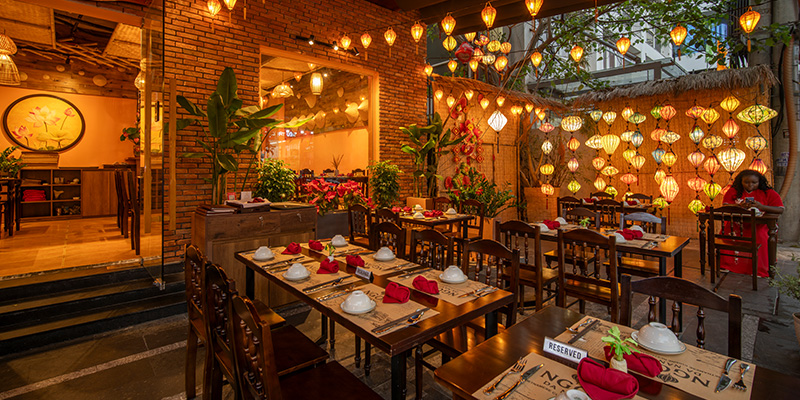
What Makes a Vietnamese Restaurant Worth Experiencing?
A restaurant serving delicious Vietnamese food needs more than just a diverse menu. The quality of ingredients, the cooking methods, and the ambiance also play a crucial role in the diner’s experience.
One Vietnamese restaurants worth tryingThey usually focus on the following factors:
- Fresh and delicious ingredients:Vegetables, meat, fish, seafood, and spices need to be carefully selected.
- Authentic Vietnamese flavors:The dishes should retain their original characteristics while still being suitable for modern tastes.
- Diverse menu:It’s possible to combine popular dishes with regional specialties.
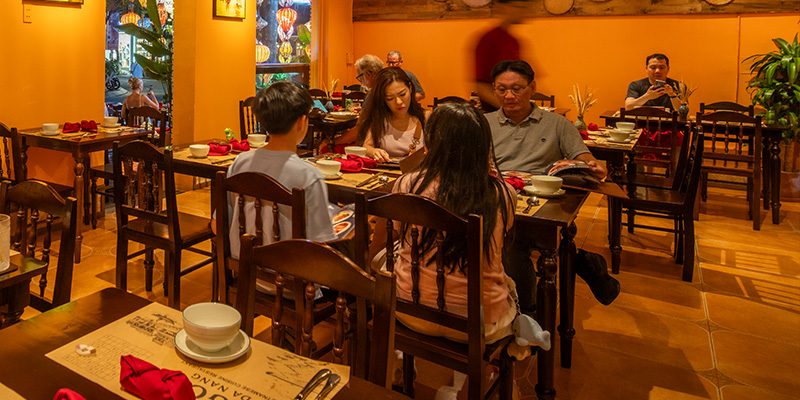
- Suitable space:The design can incorporate bamboo, wood, lanterns, or other traditional details to create a sense of intimacy.
- Professional service:Staff who are knowledgeable about the dishes will help diners, especially international guests, make their choices more easily.
One restaurant with delicious foodTherefore, it’s not simply judged by a single dish, but by the entire experience from the moment you enter until you finish your meal.
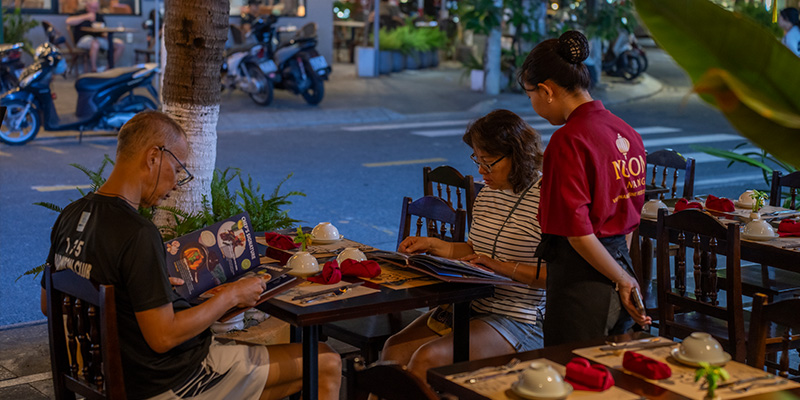
Exploring Vietnamese Cuisine Through Specialties from Three Regions
The most interesting aspect of Vietnamese cuisine is the difference between regions. Using familiar ingredients, each locality creates dishes with its own unique flavor.
A signature dish of Northern Vietnam
Northern Vietnamese cuisine is often known for its delicate flavors, emphasis on balance, and avoidance of overly strong spices.
Some typical dishes include pho, bun cha, cha ca, nem ran, thit dong, and seasonal vegetable dishes. Among them, pho is one of the most famous representatives of Vietnamese cuisine.Vietnamese dishesIt is loved for its clear, fragrant broth and the harmonious combination of rice noodles, meat, and herbs.
Northern Vietnamese cuisine often feels familiar, refined, and is suitable for diners who want to begin exploring Vietnamese food.
Central Vietnamese signature dishes
While Northern Vietnamese cuisine tends towards lighter flavors, Central Vietnamese cuisine is often characterized by richer, bolder tastes and a stronger use of spices.
Dishes like Quang noodles, Hue beef noodle soup, banh xeo (Vietnamese savory pancake), banh beo (steamed rice cake), banh nam (steamed rice dumpling), or seafood dishes are all worth trying.
In particular, the central region of Vietnam has a long coastline, so seafood is a common feature in its cuisine.Da Nang restaurantHere, diners can easily find a combination of fresh seafood and the distinctive spices of Central Vietnam.
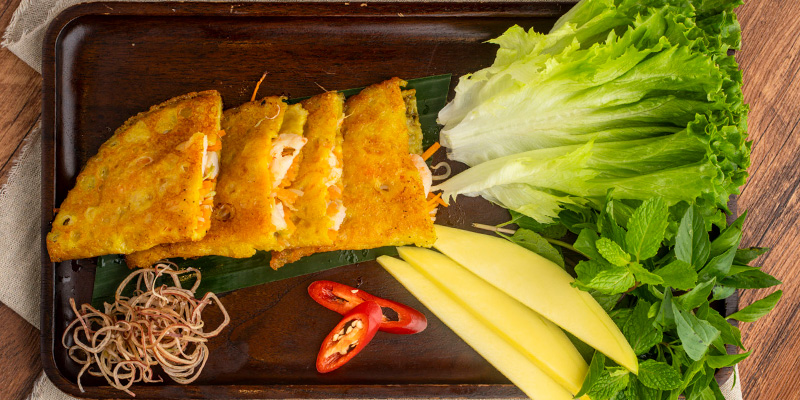
Southern Vietnamese signature dishes
Southern Vietnamese cuisine typically features rich, sweet flavors and utilizes a wide variety of local vegetables, fruits, and ingredients.
Some familiar dishes include braised fish in clay pot, sour soup, Southern-style banh xeo (Vietnamese savory pancake), broken rice with grilled pork, spring rolls, and dishes made from fish, shrimp, and crab.
The generosity of ingredients and seasoning creates a very unique characteristic of Southern Vietnamese cuisine. This region also boasts many dishes influenced by the cultures of various communities.
Hoi An cuisine and its unique blend of influences.
Hoi An is a unique destination on the Vietnamese culinary map. Thanks to its long history of trade, the cuisine here reflects a blend of Vietnamese culture and influences from many other cultures.
Cao Lau noodles, Hoi An chicken rice, wonton, white rose-shaped cakes, and Quang noodles are some of the typical dishes.
Not only delicious, Hoi An’s dishes also bear the mark of the ancient town. The combination of history, culture, and cuisine makes the experience of enjoying Vietnamese food even more enjoyable.
Vietnamese Restaurants – Where Cuisine and Culture Intersect
Cuisine is always closely linked to culture. A dish can tell us what ingredients the local people use, what their eating habits are, and how much they cherish traditional values.
At oneVietnamese restaurantDiners not only enjoy the food but can also experience the culture through the decor, tableware, service style, and the story behind each dish.
For tourists, this is a particularly valuable experience. Instead of just trying a dish at a quick-service stall, they can take the time to learn how the food is prepared and enjoy it in a space that embodies the spirit of Vietnam.
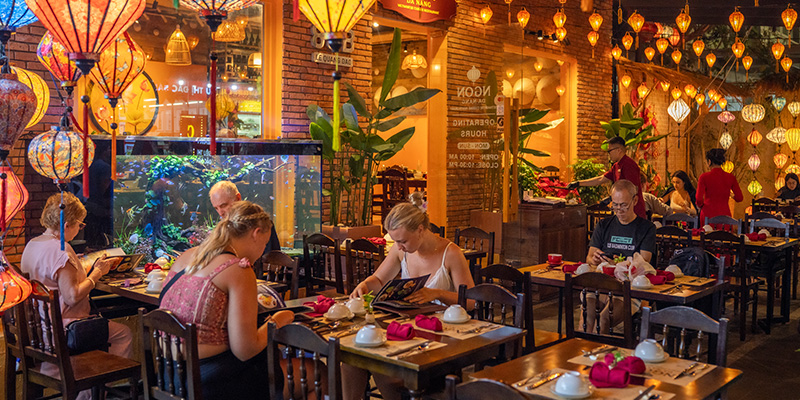
Tips for Choosing the Right Vietnamese Restaurant
Among so many options, finding one is challenging.Vietnamese restaurantThe right combination will make the meal more complete.
First, check the restaurant’s menu to see if it includes the dishes you want to try. If you’re with a large group, prioritize restaurants that offer a wide selection of appetizers, main courses, and side dishes.
Next, pay attention to reviews from previous diners. Reviews can help you learn more about the quality of the food, service, ambiance, and price.
If you’re traveling, location is also a factor to consider.Da Nang restaurantBeing located near accommodation or attractions will be more convenient for your itinerary.
Finally, choose a restaurant whose style suits the purpose of your trip. A traditional setting would be suitable for a cultural experience, while a modern restaurant might be more appropriate for gatherings or family meals.
When are Vietnamese restaurants suitable for certain occasions?
Not just for tourists,Vietnamese restaurantSuitable for many different occasions.
You can choose this restaurant to dine with family, meet friends, or host a small meal with business partners. For international guests, it’s also an ideal place to showcase typical Vietnamese dishes.
A meal with many Vietnamese dishes shared among everyone also creates a feeling of closeness, just like a family meal.
Suggestions on How to Order Vietnamese Dishes for a Complete Meal
If it’s your first time trying Vietnamese food, choosing dishes can sometimes be a bit difficult because the menu is quite diverse. A simple way is to start with a few light appetizers, then choose your main course and side dishes.
You can combine:
- An appetizer such as a salad or Vietnamese savory pancake (banh xeo).
- A regional specialty dish like Quang noodles or pho.
- A meat or seafood dish to share.
- Vegetables or side dishes help balance the flavors.
- A dessert or seasonal fruit.
If you’re dining in a group, order several dishes in moderate portions so everyone can enjoy them. This is also a great way to explore a variety of flavors.Vietnamese dishesduring the same meal.
In Da Nang, diners looking for a place that focuses on Vietnamese cuisine can consider these options.Ngon Da Nang Vietnamese Cuisine Restaurant, a place that aims to provide an experience of Vietnamese cuisine in a setting suitable for both locals and tourists.
Most importantly, don’t hesitate to ask the staff about the dishes. A good recommendation can help you choose signature dishes that suit your taste.
Conclusion
One Vietnamese restaurantIt’s not just a place to enjoy traditional dishes, but also a meeting point of flavors, culture, and people. From the delicate flavors of the North, the rich tastes of the Central region, to the vibrant aromas of the South, each region contributes to the diverse tapestry of Vietnamese cuisine.
If you are looking for onerestaurant with delicious foodTo truly experience local culture, take the time to research the menu, ambiance, reviews, and service style before making your choice. Especially in Da Nang, a meal featuring authentic Vietnamese dishes can become a memorable part of your journey exploring the city and the culinary scene of Central Vietnam.
—-
Contact information
Address: 88B Le Quang Dao Street, Ngu Hanh Son District, Da Nang
Phone: +84 387 979 043
Email: johnthanhicdanang@gmail.com
Fanpage: https://www.facebook.com/ngondanangvietnamesecuisine
Instagram: https://www.instagram.com/ngondanang.vietnamesecuisine
Website: https://ngondanangrestaurant.com/