
Vietnamese rice A Vietnamese meal has long been a familiar part of Vietnamese life. Simple and uncomplicated, a meal consisting of white rice, a main dish, green vegetables, soup, and dipping sauce can encapsulate stories about family, region, and Vietnamese culture. Especially for tourists visiting Da Nang, enjoying a Vietnamese meal is a simple yet delightful way to better understand Vietnamese culture Vietnamese cuisine.
Vietnamese Rice – More Than Just a Meal
To understand why rice holds such a special place in Vietnamese life, we first need to look at its significance in culture and daily life.
Rice is an integral part of Vietnamese life.
In Vietnamese culture, “eating rice” is not simply about having a meal. Vietnamese people often use the term “meal” to refer to a time when everyone sits together. After a day of work or study, the whole family can gather around the table for a meal, chatting and sharing stories from the day.
Rice is also one of the most important foods for the Vietnamese people. From the Northern Delta and Central Vietnam to the Mekong Delta, rice cultivation has been closely linked to the long-standing agricultural life and culture of the region.
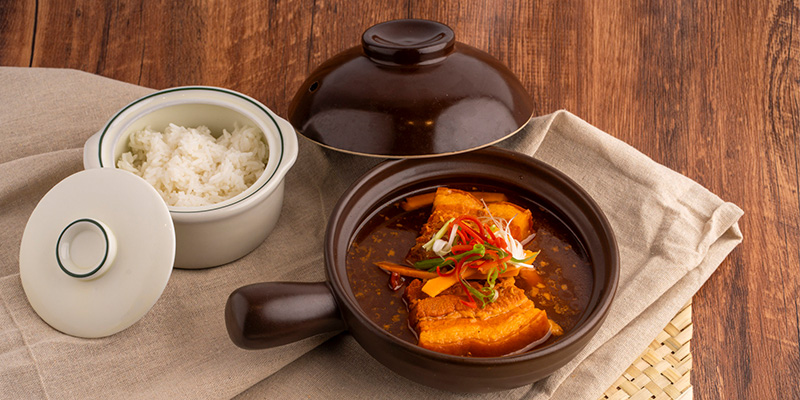
A Vietnamese meal is characterized by balance.
A meal Vietnamese rice Traditional meals often consist of several different dish groups. Rice provides carbohydrates, meat or fish adds flavor, green vegetables offer a refreshing taste, and soup balances the entire meal.
Interestingly, the dishes don’t necessarily have to be numerous. Just a few well-cooked dishes, served with hot rice and the right dipping sauce, can make for a complete meal.
What Makes Vietnamese Rice Flavorful?
The flavor of Vietnamese rice is created by many factors, from ingredients and seasoning to cooking methods. Each region has its own unique way of expressing this flavor.
Familiar and fresh ingredients
A prominent feature ofVietnamese foodIt involves using many familiar ingredients such as rice, green vegetables, pork, chicken, fish, shrimp, various herbs, and natural spices.
Vietnamese people often prioritize the freshness of ingredients. Vegetables can be boiled or stir-fried quickly, fish can be braised or fried, and meat can be grilled, stewed, or steamed. The cooking methods are relatively simple but help preserve the distinctive flavors of each ingredient.
Spices create a unique identity.
Fish sauce, pepper, onions, garlic, chili peppers, sugar, and herbs are familiar ingredients in Vietnamese kitchens.
Fish sauce is especially important in many dishes. It can be used directly as a dipping sauce or combined with other ingredients to create a mixed fish sauce. The combination of salty, sweet, sour, and spicy flavors gives depth to many Vietnamese dishes.
Dishes Commonly Found on Vietnamese Meals
A typical Vietnamese meal doesn’t have a fixed recipe. Depending on the region, the season, and the family’s preferences, the dishes can vary.
White rice
White rice is the most familiar ingredient. The soft, fragrant, and hot rice grains are often used as a base to enjoy savory dishes, vegetables, and soups.
A bowl of hot rice served with a flavorful stew or a delicious stir-fry is a very familiar sight at Vietnamese meals.
Stewed, braised, and savory dishes
Braised fish, braised meat, braised chicken, or other stewed dishes are popular choices for family meals. These dishes usually have a rich flavor that goes well with rice.
This group of dishes also clearly demonstrates the Vietnamese way of seasoning: not too many spices, but a balance of salty, sweet, and aromatic flavors is essential.
Green vegetables and stir-fried dishes
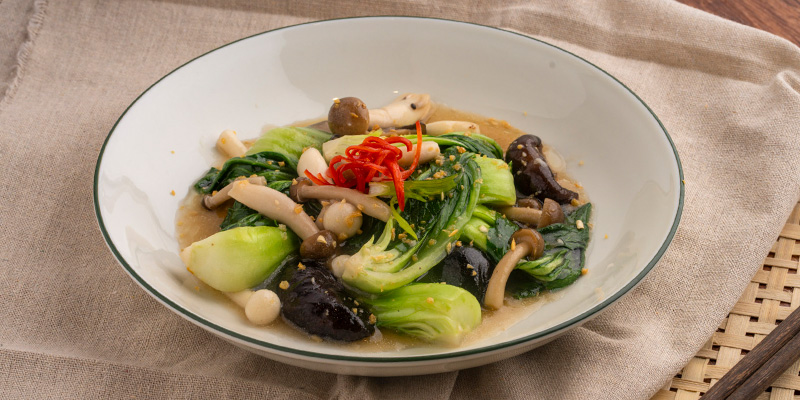
Vegetables are an indispensable component of many Vietnamese meals. They can be boiled, stir-fried, or eaten as a side dish with other foods.
Vegetable dishes help to lighten the meal and create a balance with dishes that have stronger flavors.
Soup and dipping sauce
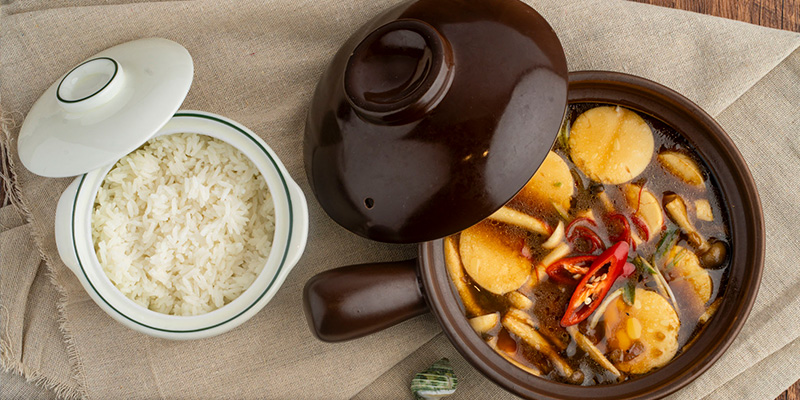
A bowl of hot soup is a common feature of Vietnamese meals, especially on days when the family eats together at home. Soup can be made from vegetables, meat, fish, or root vegetables.
In addition, dipping sauces also play an important role. The same dish can have a completely different experience depending on the type of sauce used.
Experience a Vietnamese Meal in the Heart of Da Nang
Da Nang is not only famous for its beaches, beautiful scenery, and attractive tourist destinations. The city is also a place where visitors can discover many unique features of Vietnam.Vietnamese cuisine.
Rediscovering traditional flavors
In the midst of a modern tourist city, a Vietnamese meal offers a rather different experience. Instead of just enjoying one fast food item, visitors can order several small dishes to share at the table.
This way of eating allows diners to better appreciate the diversity of Vietnamese cuisine: a touch of richness from savory dishes, the freshness of vegetables, the lightness of soup, and the aroma of various herbs and spices.
Visit Ngon Da Nang Vietnamese Cuisine Restaurant
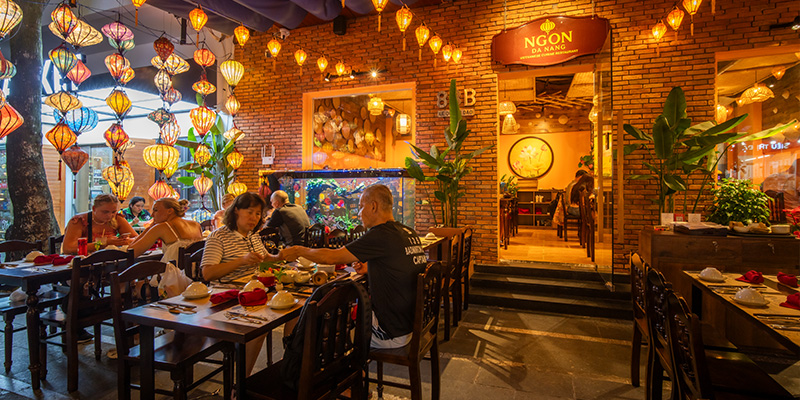
If you’re looking for a place to enjoy authentic Vietnamese cuisine in Da Nang, Ngon Da Nang Vietnamese Cuisine Restaurant It’s an option worth exploring.
The ambiance and service can help diners better appreciate the spirit of a Vietnamese meal. Instead of focusing on just one dish, diners can explore a wider range of options.Vietnamese food and savor the combination of rice, main course, vegetables, soup, and dipping sauce.
This is also a suitable way for first-time visitors to Vietnam to get acquainted with Vietnamese food culture.
How to Enjoy Vietnamese Rice Dishes the Right Vietnamese Way
To experience a Vietnamese meal more fully, visitors should understand some common Vietnamese eating habits. These are simple things, but they will make the meal more enjoyable.
Eating many different dishes at once
Unlike some cuisines that serve dishes in a specific order, a Vietnamese meal typically features multiple dishes placed on the table simultaneously. Each person has their own bowl of rice and uses chopsticks to pick up the food.
You can eat a bite of rice with a savory dish, then try some vegetables or soup. This combination creates multiple layers of flavor in a single meal.
Don’t skip the dipping sauce.
Dipping sauces are an important part of the experience. Some dishes can be eaten on their own, while others are better when paired with fish sauce or a special dipping sauce.
If you’re unfamiliar with the combination, you can try a small amount first to find the one that suits your taste.
Vietnamese Rice and Family Meal Culture
Vietnamese cuisine is not just about food; it also reflects how Vietnamese people connect with each other. The family meal is a particularly characteristic image in this context.
The dinner table is where people connect.
A family meal doesn’t have to be expensive. Sometimes it’s just braised fish, boiled vegetables, a bowl of soup, and hot rice. But what’s important is that everyone sits together, eats, talks, and cares for each other.
This is what makesVietnamese riceIt holds value far beyond just food. It’s connected to memories, family, and a sense of closeness.
The flavor varies by region.
Vietnam has many different cultural regions and natural conditions, resulting in a wide variety of tastes. The North is often known for its light and delicate seasoning, the Central region for its more flavorful dishes, and the South for its more pronounced sweetness.
Da Nang is located in the central region of Vietnam, so visitors have the opportunity to explore the distinctive flavors of the central region alongside many popular dishes found throughout Vietnam.
Things International Tourists Should Know When Trying Vietnamese Food
For international tourists, a Vietnamese meal can offer many new experiences, especially if it’s their first time using chopsticks or trying multiple dishes at once.
Don’t be afraid to try many different dishes.
Instead of ordering just one dish, you can choose a few different dishes to share. This is a great way to explore the variety of options.Vietnamese cuisine.
If you’re dining in a group, ordering several dishes to share is also very much in line with Vietnamese dining culture.
Get familiar with chopsticks and the common way of eating.
Vietnamese people commonly use chopsticks during meals. International diners don’t need to worry if they’re not yet proficient at using them. Most chopsticks…Vietnamese restaurantThey are all available to assist customers when needed.
Most importantly, relax and enjoy the experience. A Vietnamese meal doesn’t require you to know all the rules right from the start.
Try both familiar and new dishes.
If it’s your first time, you can start with easy-to-eat dishes like rice, grilled meat, chicken, vegetables, or soups. Then, try more distinctive dishes to explore the depth of local cuisine.
Conclusion
Vietnamese riceIt’s not simply rice and side dishes. It’s a combination of fresh ingredients, harmonious seasoning, family culture, and a spirit of sharing.
For visitors to Da Nang, enjoying a Vietnamese meal is an intimate way to explore the local culture. From white rice, braised dishes, green vegetables, soups, to dipping sauces, each component contributes to telling a story about Vietnamese life.
If you are looking for an experience of Vietnamese food in Da Nang, take the time to enjoy an authentic Vietnamese meal. It’s not just a delicious meal, but also an opportunity to experience the simplicity, intimacy, and sophistication of Vietnamese cuisine.Vietnamese cuisineRight in the heart of the seaside city.
—-
Contact information
Address: 88B Le Quang Dao Street, Ngu Hanh Son District, Da Nang
Phone: +84 387 979 043
Email: johnthanhicdanang@gmail.com
Fanpage: https://www.facebook.com/ngondanangvietnamesecuisine
Instagram: https://www.instagram.com/ngondanang.vietnamesecuisine
Website: https://ngondanangrestaurant.com/